Plastic & Reconstructive Surgery Consultation
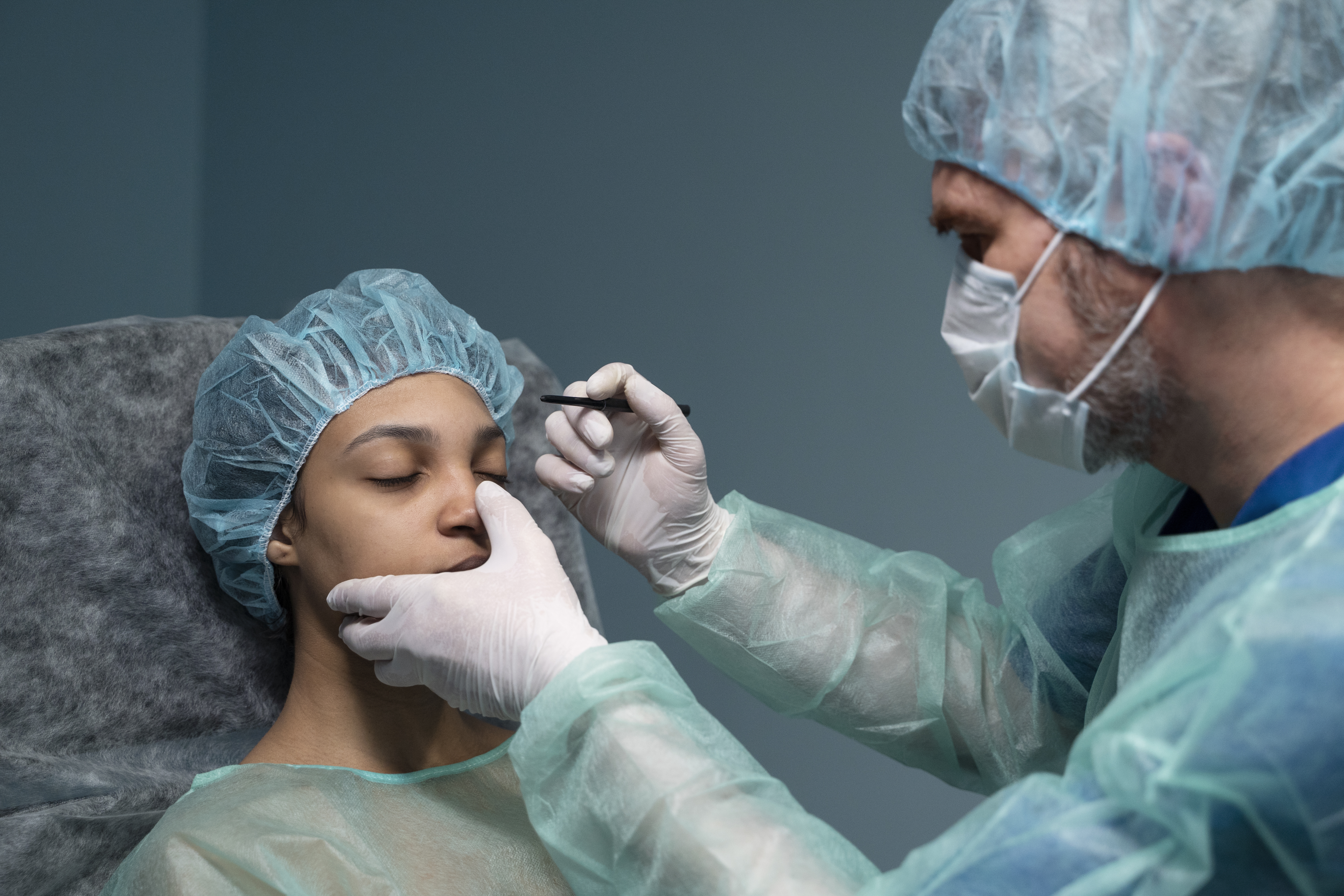
A Plastic & Reconstructive Surgery consultation is a comprehensive and personalized process designed to understand the patient’s medical needs, concerns, and aesthetic goals. During the consultation, the surgeon takes a detailed medical history, including previous surgeries, existing health conditions, medications, and lifestyle factors that may affect healing and outcomes. A thorough physical examination is then performed to evaluate the area requiring treatment, focusing on function, structure, symmetry, and skin quality.
The surgeon explains all suitable treatment options, whether reconstructive or cosmetic, along with realistic expectations, potential risks, benefits, and limitations of each procedure. For reconstructive surgery, special emphasis is placed on restoring normal function, appearance, and confidence after trauma, cancer treatment, burns, or congenital conditions. Patients are also informed about the surgical process, anesthesia, recovery timeline, post-operative care, and follow-up visits.
This consultation encourages open communication, allowing patients to ask questions and express concerns freely. The goal is to ensure informed decision-making, personalized treatment planning, and safe, effective results that improve both physical well-being and quality of life.
Breast Cancer Surgery & Reconstruction
Breast Cancer Surgery & Reconstruction is a comprehensive approach aimed at treating breast cancer while restoring the natural shape, symmetry, and confidence of the patient. Breast cancer surgery focuses on the complete removal of cancerous tissue through procedures such as lumpectomy or mastectomy, depending on the stage and nature of the disease. The primary goal is to eliminate cancer effectively while preserving as much healthy tissue as possible.
Breast reconstruction can be performed either at the same time as cancer surgery or as a delayed procedure, based on the patient’s medical condition and personal preference. Reconstruction options may include implant-based reconstruction or the use of the patient’s own tissue (autologous reconstruction) to achieve a natural look and feel. The surgeon carefully considers factors such as body type, cancer treatment plan, and long-term outcomes before recommending the best approach.
Beyond physical restoration, breast reconstruction plays a vital role in emotional healing and self-confidence. With advanced surgical techniques and personalized care, patients can achieve safe, effective, and aesthetically pleasing results while maintaining overall health and quality of life.

Head and Neck Cancer Surgery
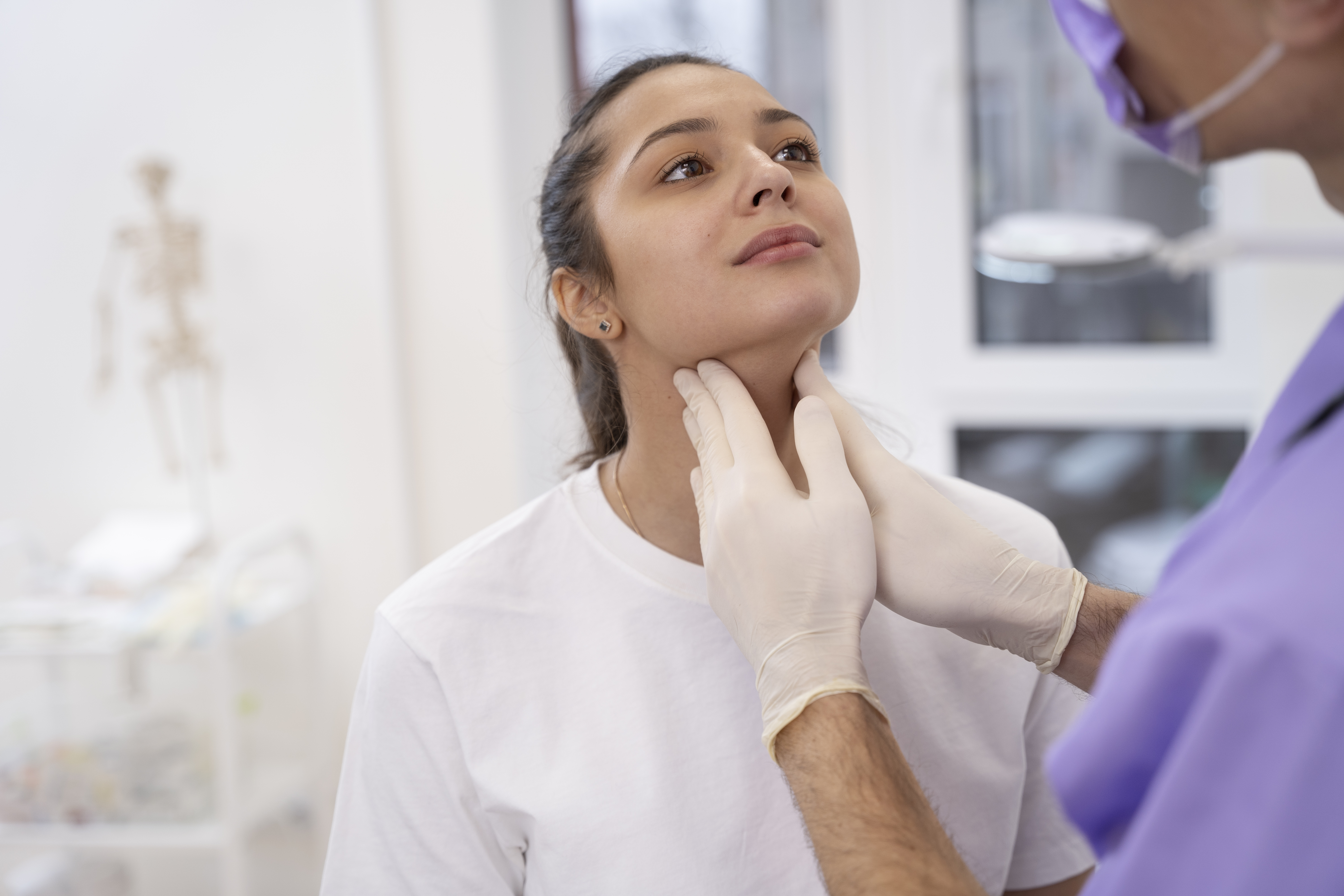
Head and Neck Cancer Surgery is a specialized treatment focused on removing cancerous tumors affecting the mouth, throat, tongue, jaw, salivary glands, nose, and other related structures. The primary goal of surgery is complete cancer removal while preserving vital functions such as speech, swallowing, breathing, and facial appearance. Each treatment plan is carefully customized based on the cancer’s location, stage, and the patient’s overall health.
Modern surgical techniques, including minimally invasive and reconstructive procedures, are often used to reduce tissue damage and improve recovery outcomes. In many cases, reconstructive surgery is performed simultaneously to restore form and function after tumor removal. This may involve skin grafts, local flaps, or microvascular free tissue transfer to achieve optimal results.
Head and neck cancer surgery is frequently combined with other treatments such as radiation therapy or chemotherapy to ensure comprehensive cancer control. Post-operative care focuses on pain management, wound healing, rehabilitation, and speech or swallowing therapy when needed. With a multidisciplinary approach and advanced surgical expertise, patients receive effective treatment aimed at long-term survival, functional recovery, and improved quality of life.
Oncoplastic Breast Surgery
Oncoplastic Breast Surgery is an advanced surgical approach that combines effective cancer removal with plastic and reconstructive techniques to preserve or improve the natural appearance of the breast. This method allows surgeons to remove breast tumors with adequate safety margins while reshaping the breast at the same time, reducing visible deformity after cancer surgery. It is especially beneficial for patients undergoing breast-conserving surgery, where maintaining symmetry and breast contour is a priority.
During oncoplastic surgery, techniques such as tissue rearrangement, reduction mammoplasty, or local flap reconstruction may be used, depending on tumor size, location, and breast shape. In some cases, procedures on the opposite breast are performed to achieve better balance and symmetry. The surgical plan is carefully tailored to each patient, considering cancer stage, body type, and future treatments like radiation therapy.
Oncoplastic breast surgery not only improves cosmetic outcomes but also supports emotional well-being and confidence after cancer treatment. By combining oncological safety with aesthetic excellence, this approach ensures effective cancer control while enhancing overall quality of life.

Post-Cancer Reconstructive Surgery
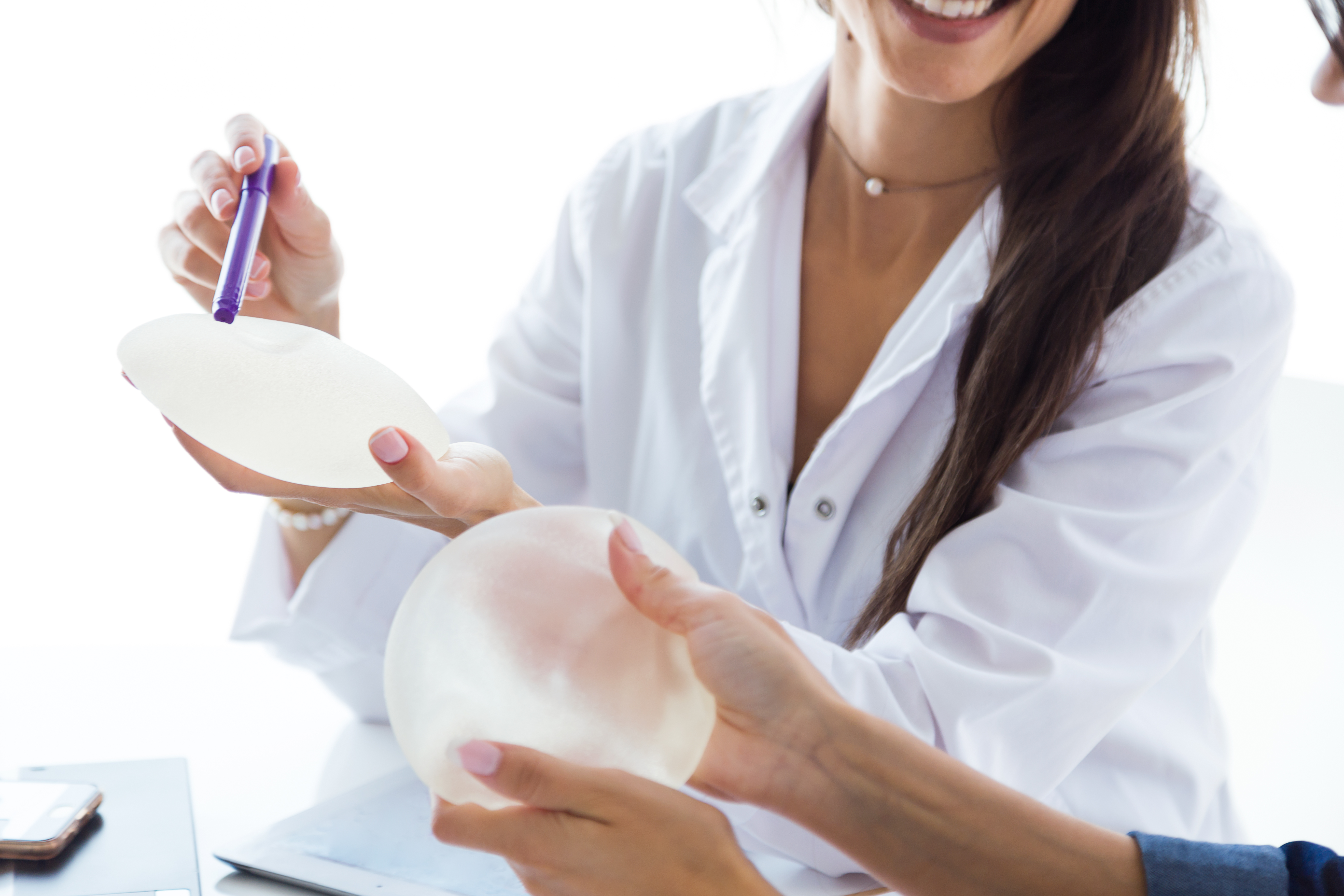
Post-Cancer Reconstructive Surgery focuses on restoring form, function, and confidence after cancer treatment has been completed. Cancer surgeries often leave physical changes such as tissue loss, scarring, or functional limitations that can affect daily life and self-esteem. Reconstructive surgery is designed to address these challenges by rebuilding affected areas using advanced surgical techniques tailored to each patient’s needs.
Depending on the type and location of cancer, reconstruction may involve skin grafts, local or regional flaps, microvascular free tissue transfer, or implant-based procedures. These techniques help restore natural appearance, improve movement, and regain essential functions such as speech, swallowing, or limb mobility. Reconstruction can be performed immediately after cancer surgery or as a delayed procedure once cancer treatment and recovery are complete.
Beyond physical repair, post-cancer reconstruction plays a vital role in emotional healing and psychological well-being. Patients often experience improved confidence and quality of life after reconstruction. With careful planning, multidisciplinary care, and modern surgical advancements, post-cancer reconstructive surgery offers safe, effective, and long-lasting results that support holistic recovery and long-term well-being.
Cosmetic & Aesthetic Surgery Procedures
Cosmetic & Aesthetic Surgery Procedures are designed to enhance physical appearance while maintaining natural balance, harmony, and individuality. These procedures address concerns related to facial features, body contour, and skin quality, helping patients feel more confident and comfortable in their appearance. Cosmetic surgery may include facial procedures such as rhinoplasty, eyelid surgery, facelifts, and lip enhancement, as well as body contouring treatments like liposuction, tummy tuck, breast enhancement, or reduction surgeries.
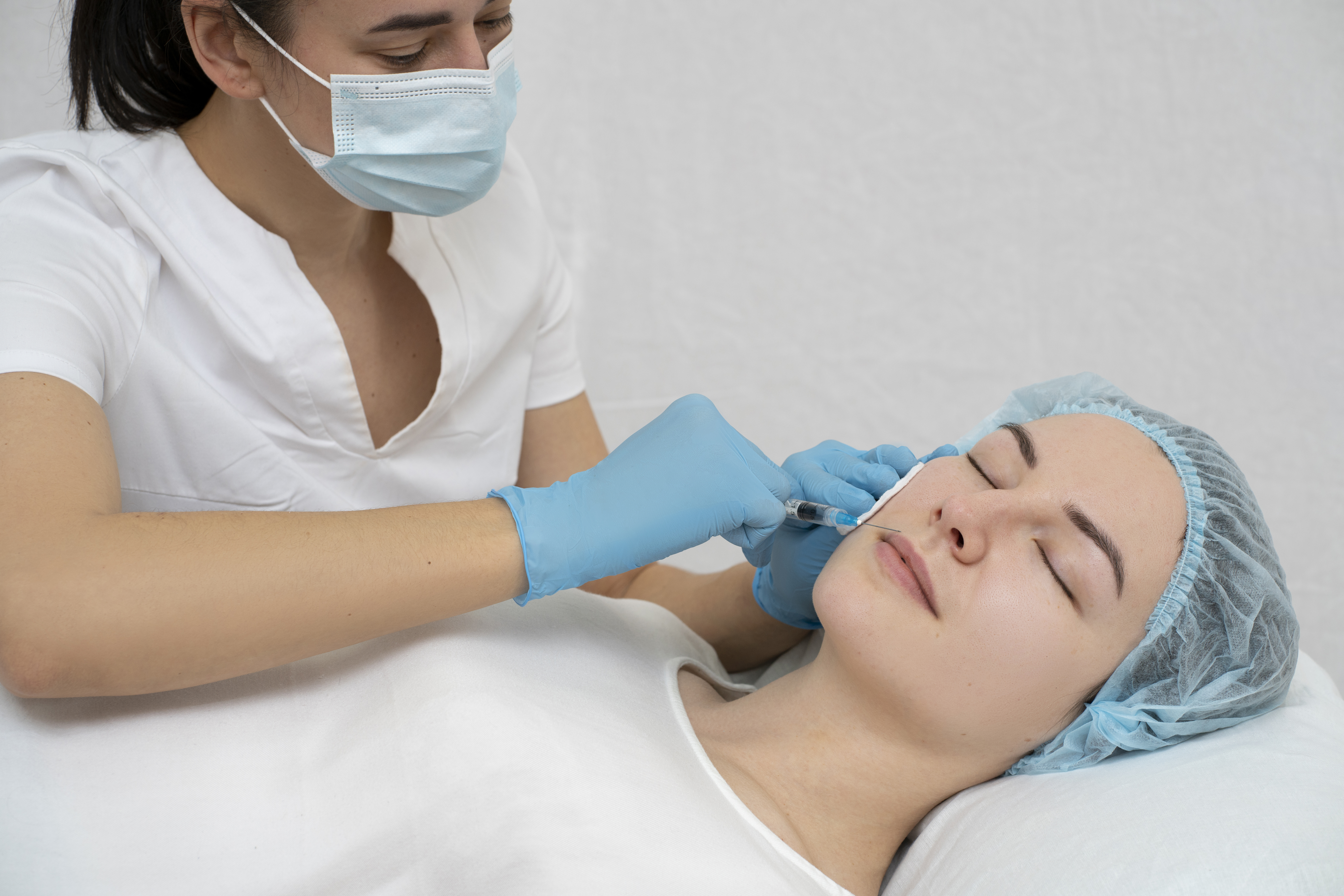
Aesthetic surgery also includes non-surgical treatments such as botulinum toxin injections, dermal fillers, skin rejuvenation therapies, and scar revision, which offer subtle improvements with minimal downtime. Each treatment plan is personalized after a detailed consultation, considering the patient’s goals, medical history, and lifestyle.
Safety, precision, and natural-looking results are the primary focus of cosmetic and aesthetic procedures. Advanced techniques and modern technology help achieve effective outcomes with faster recovery and minimal scarring. Beyond physical enhancement, these procedures often lead to improved self-esteem and overall well-being, empowering patients to present their best version with confidence.
Scar Revision & Corrective Surgery
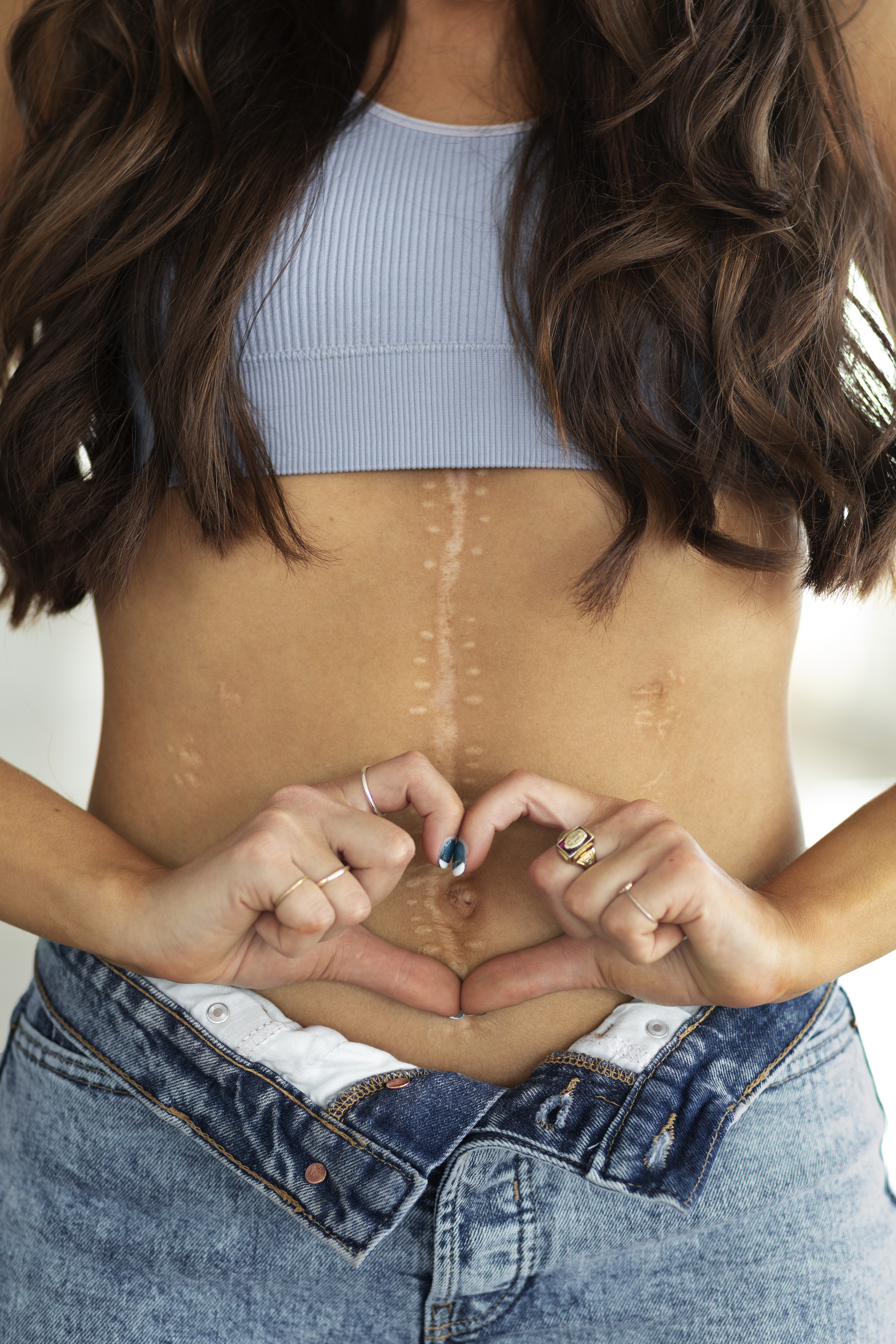
Scar Revision & Corrective Surgery is a specialized procedure aimed at improving the appearance, texture, and function of scars caused by injury, surgery, burns, or medical conditions. While scars are a natural part of the healing process, some may become raised, depressed, widened, discolored, or restrictive, affecting both appearance and movement. Scar revision surgery focuses on making scars less noticeable and restoring normal skin contour and flexibility.
Depending on the type, size, and location of the scar, treatment options may include surgical excision, skin grafting, local flap reconstruction, laser therapy, steroid injections, or advanced wound management techniques. Corrective surgery is also beneficial for scars that cause functional limitations, such as restricted joint movement or facial expressions.
Each treatment plan is customized after a thorough evaluation of the scar, skin type, and patient expectations. The goal is not to completely erase the scar, but to significantly improve its appearance and function. With modern surgical techniques and proper post-treatment care, scar revision helps patients regain comfort, confidence, and improved quality of life.
Trauma & Injury Reconstruction Surgery
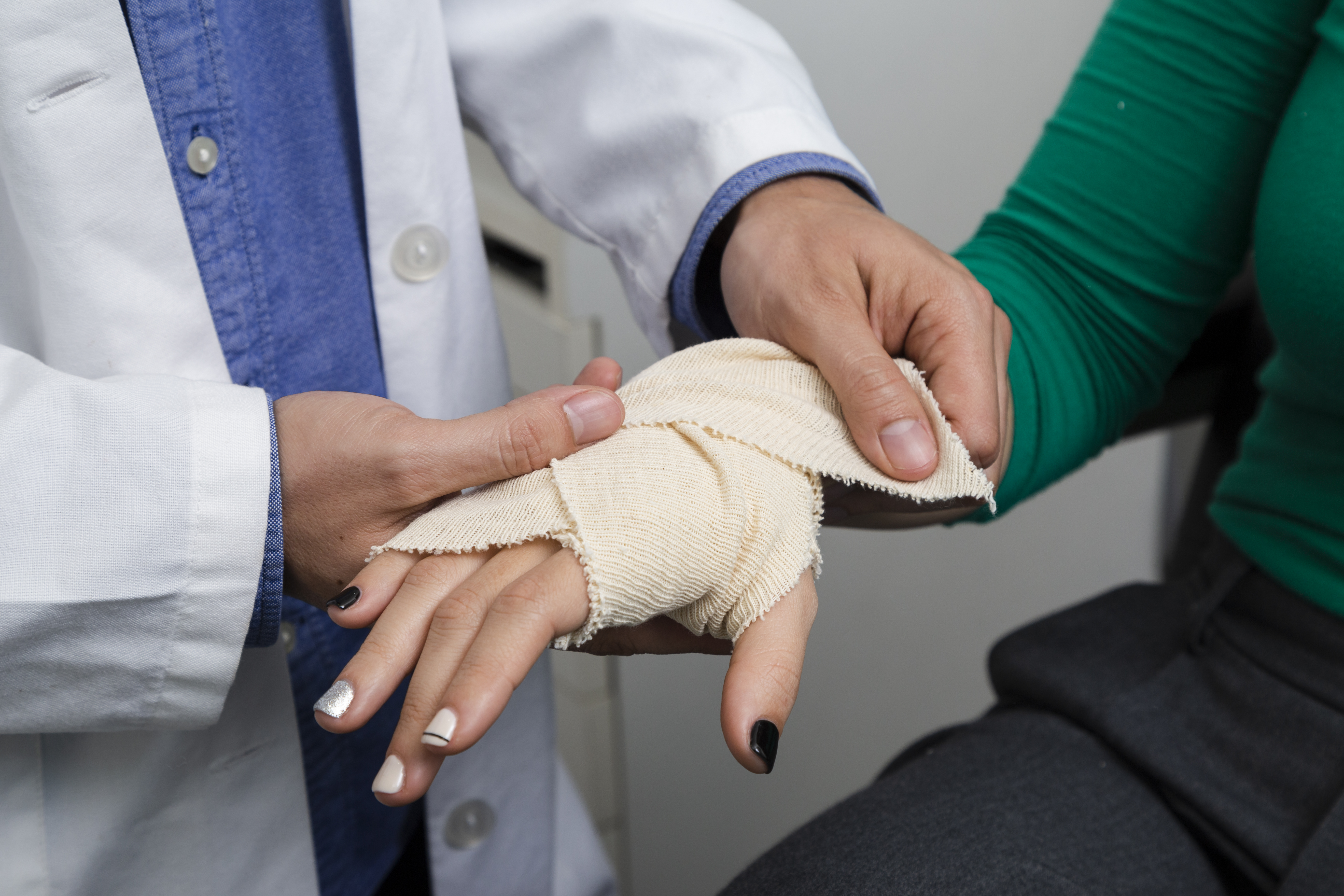
Trauma & Injury Reconstruction Surgery focuses on restoring form, function, and appearance after accidents, injuries, or severe physical trauma. Such injuries may result from road accidents, falls, burns, or industrial incidents and often involve damage to skin, muscles, bones, nerves, or soft tissues. The primary goal of reconstructive surgery is to repair these damaged structures and help patients regain normal movement, strength, and daily function.
Reconstruction may be performed immediately after injury or as a staged procedure, depending on the severity and overall health of the patient. Advanced techniques such as skin grafts, local and regional flaps, microvascular free tissue transfer, and scar correction are commonly used to achieve optimal results. In complex cases, multiple surgeries may be required to fully restore function and appearance.
Trauma reconstruction not only addresses physical damage but also plays a crucial role in emotional recovery and confidence. Comprehensive post-operative care, including wound management and rehabilitation, is essential for successful outcomes. With skilled surgical expertise and modern technology, trauma and injury reconstruction surgery helps patients return to an active, independent, and improved quality of life.
Skin Tumor & Soft Tissue Surgery
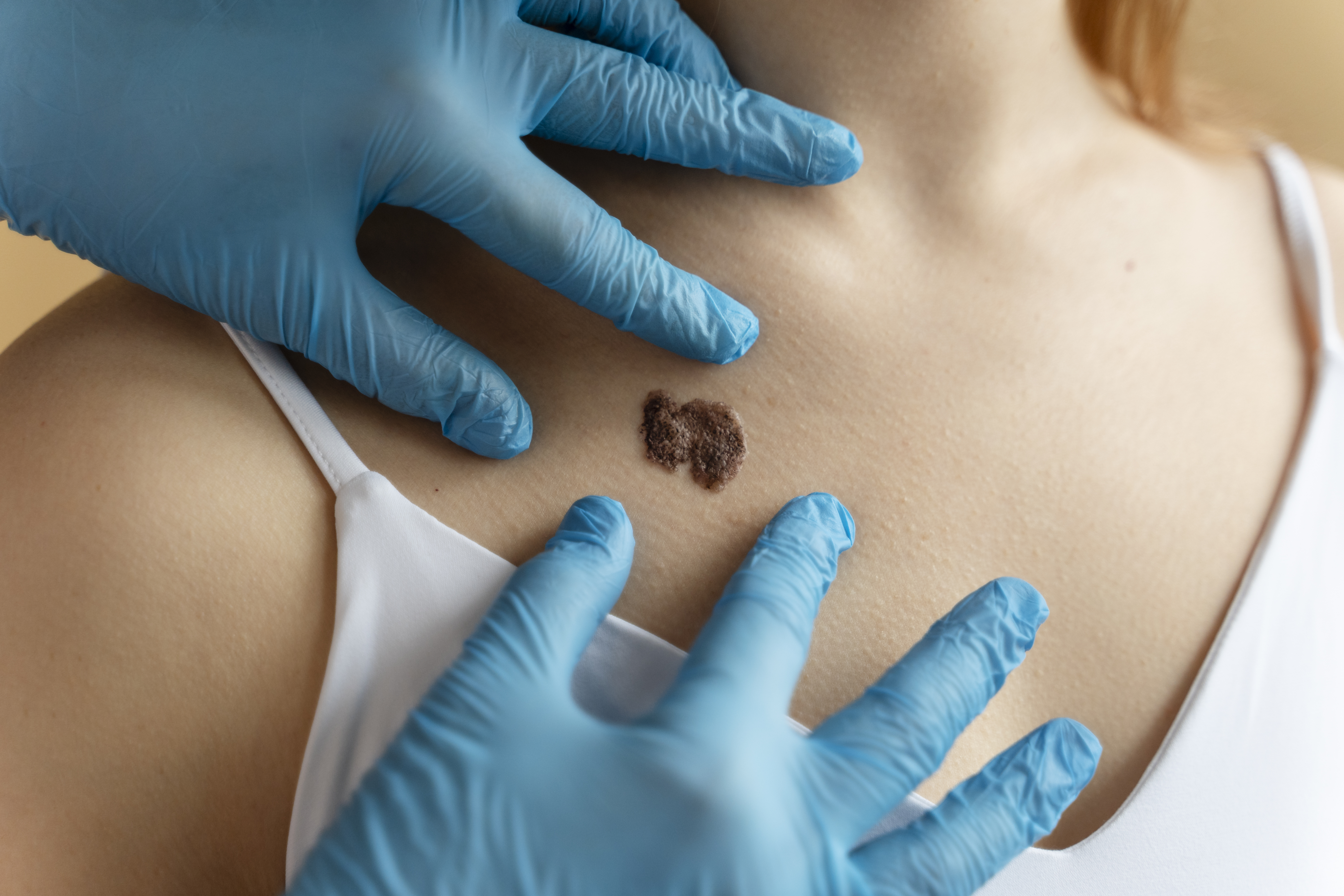
Skin Tumor & Soft Tissue Surgery is a specialized surgical service dedicated to the diagnosis, treatment, and reconstruction of tumors involving the skin, subcutaneous tissue, muscles, and connective structures. These tumors may be benign or malignant and can appear anywhere on the body, including cosmetically sensitive areas such as the face, neck, and hands. The primary objective of surgery is complete and safe removal of the tumor with adequate margins, while preserving maximum healthy tissue.
Surgical planning is tailored to the tumor’s size, depth, location, and biological behavior. Techniques may range from simple excision to wide local excision for cancerous lesions. Following tumor removal, reconstructive procedures such as direct closure, skin grafting, or local and regional flap reconstruction are performed to restore normal shape, function, and appearance.
Early detection and prompt surgical management are critical in reducing the risk of recurrence and complications. Special attention is given to aesthetic outcomes, particularly in visible areas, without compromising oncological safety. With advanced surgical expertise, meticulous planning, and comprehensive post-operative care, skin tumor and soft tissue surgery ensures effective treatment, functional recovery, and long-term patient well-being.
Reconstructive Surgery After Cancer Treatment
Reconstructive Surgery After Cancer Treatment is an essential part of the recovery process for patients who have undergone cancer surgery, radiation, or chemotherapy. Cancer treatment can often result in tissue loss, scarring, deformity, or functional limitations that affect both physical appearance and daily activities. Reconstructive surgery aims to restore normal structure, function, and appearance, helping patients regain confidence and quality of life.
The type of reconstruction depends on the cancer site, extent of tissue removal, and individual patient needs. Procedures may include skin grafts, local or regional flaps, microvascular free tissue transfer, or implant-based reconstruction. These techniques are carefully planned to ensure durable results while maintaining oncological safety. Reconstruction can be performed immediately following cancer surgery or as a delayed procedure after completion of all cancer treatments.
Beyond physical repair, reconstructive surgery plays a significant role in emotional and psychological healing. Improved body image and restored function contribute to better self-esteem and overall well-being. With advanced surgical techniques, a multidisciplinary approach, and personalized care, reconstructive surgery after cancer treatment supports holistic recovery and long-term health outcomes.
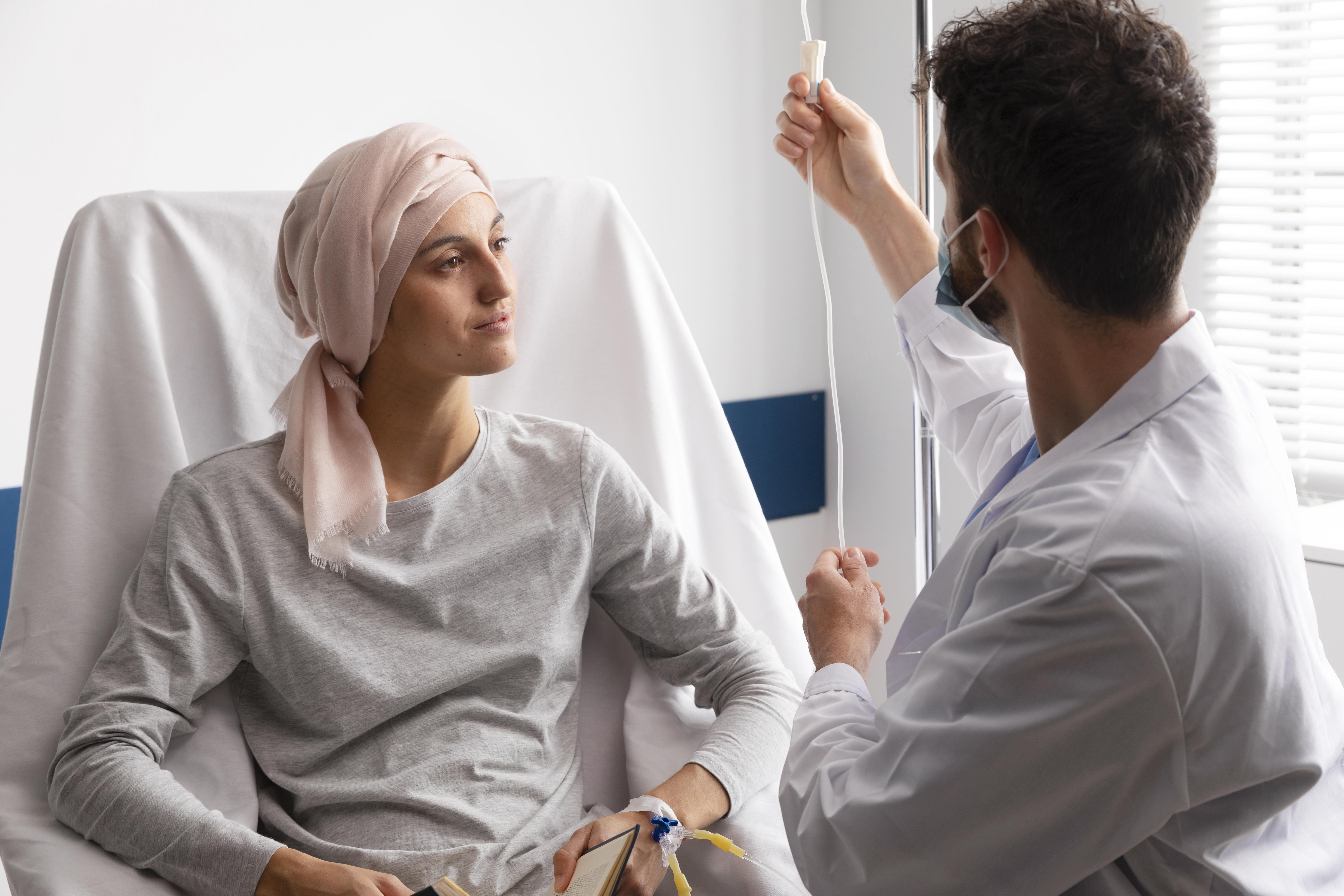
Additional servicees

Post traumatic defects management
Post-traumatic defects management focuses on repairing tissue damage caused by injuries or burns. Through reconstructive techniques like skin grafts and flap surgeries, it restores function, appearance, and mobility while reducing scarring and improving overall quality of life.

Post burns management (immediate & late complications)
Post-burns management addresses immediate care like wound healing and infection control, as well as late complications such as contractures and scarring. Reconstructive procedures help restore function, improve appearance, and enhance mobility and quality of life.
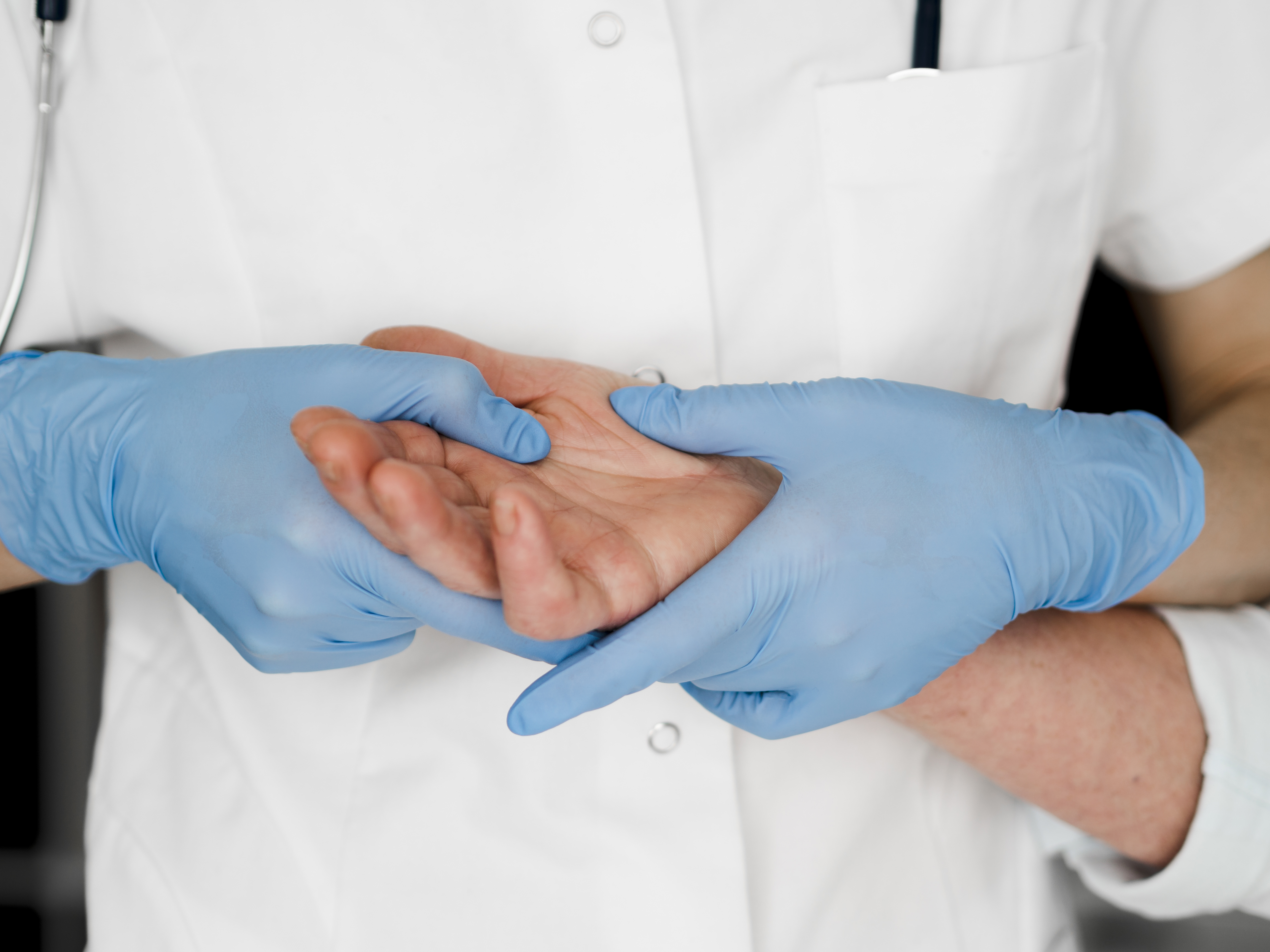
Hand Surgeries ( Traumatic & non traumatic)
Hand surgeries for traumatic and non-traumatic conditions focus on restoring hand function, strength, and appearance. Treatment includes fracture repair, tendon and nerve reconstruction, and correction of deformities to improve movement, dexterity, and daily activities.
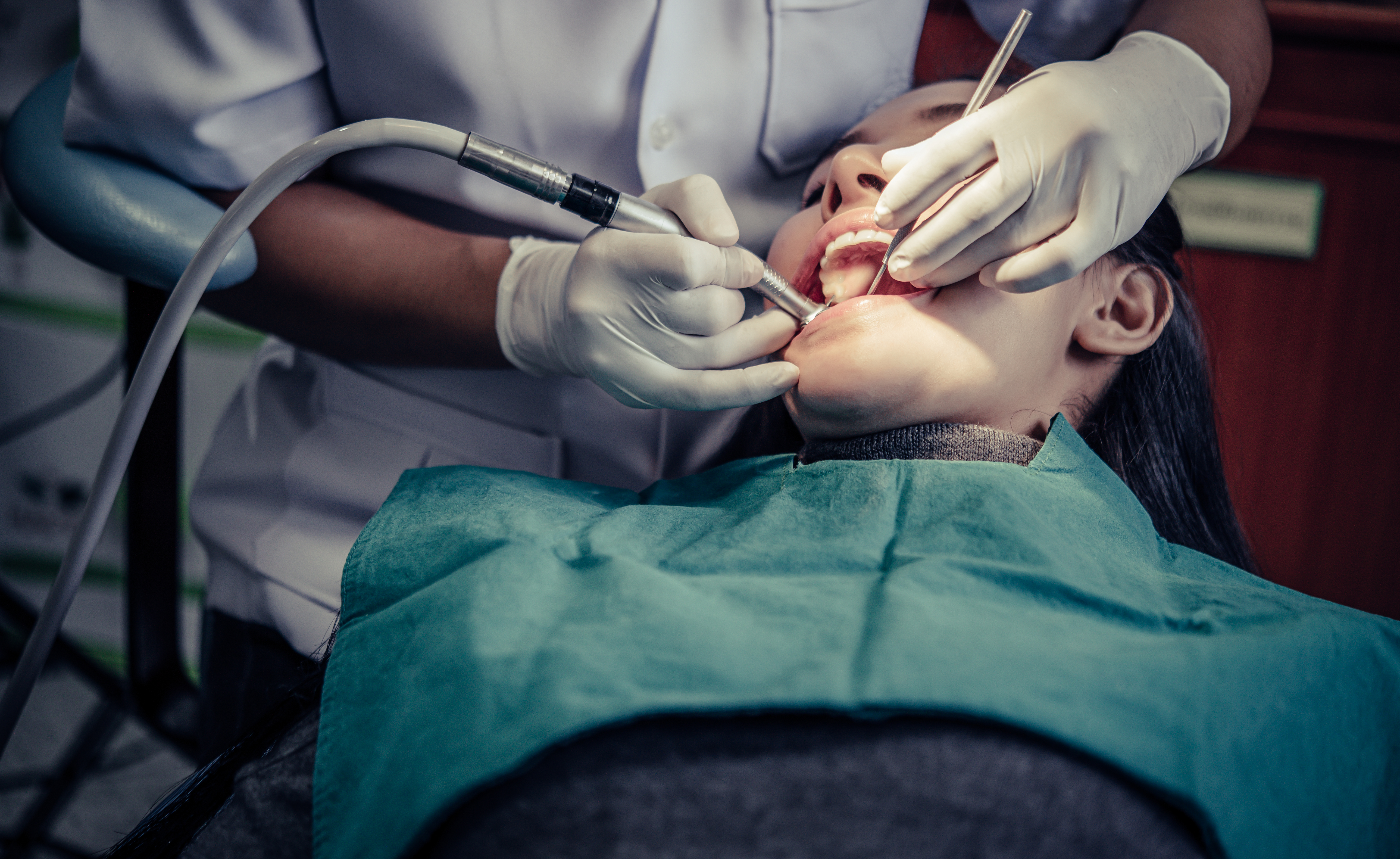
Maxillofacial Surgeries
Maxillofacial surgeries treat conditions affecting the face, jaw, and mouth, including trauma, tumors, deformities, and functional disorders. These procedures restore facial structure, improve chewing and speech, and enhance appearance and overall quality of life.